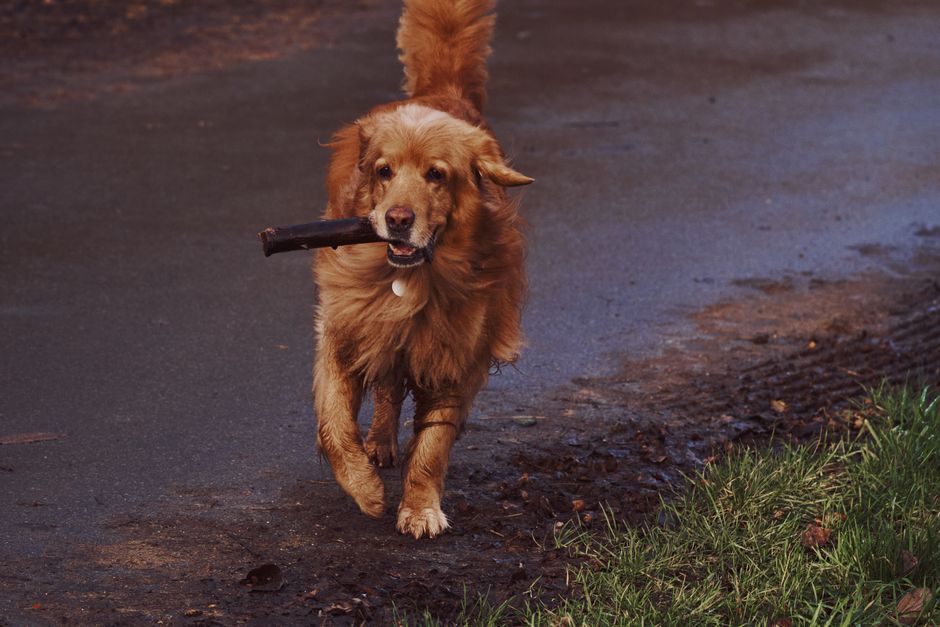
Richmond Park carpet cleaning tips for muddy dog owners
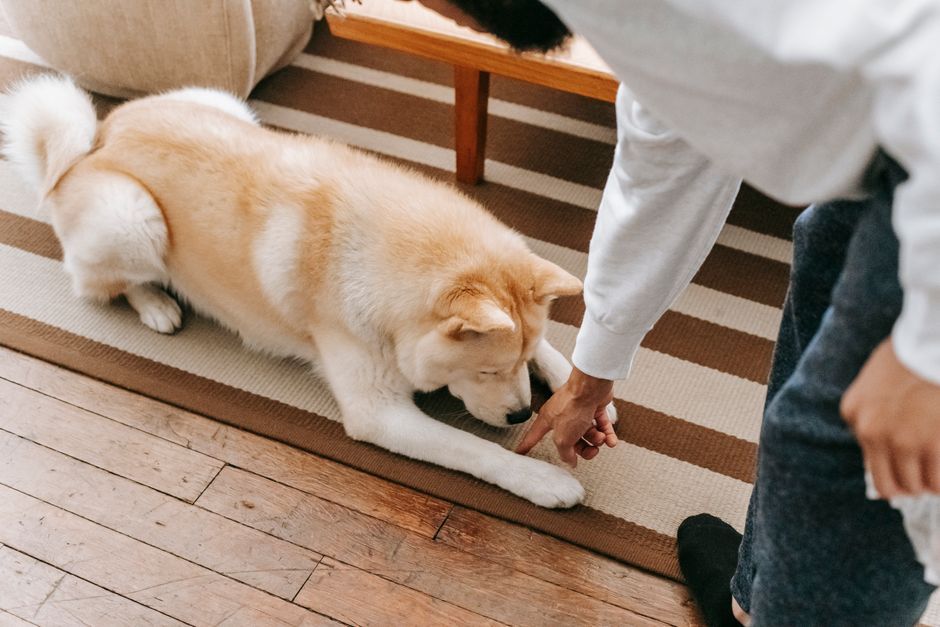
If you live near Richmond Park and share your home with a dog who treats every muddy path like a personal runway, you already know the problem. One wet walk, one enthusiastic shake by the front door, and suddenly your hallway carpet looks like it has been through a minor field exercise. The good news is that Richmond Park carpet cleaning tips for muddy dog owners do not need to be complicated. A few smart habits, the right cleaning approach, and some realistic timing can make a very big difference.
This guide is built for real homes, not spotless showrooms. You will find practical steps for dealing with muddy paws, fresh stains, ground-in dirt, and lingering dog smells, plus advice on when a deeper clean is worth it. We will also cover what to avoid, which methods tend to work best, and how to think about carpet care in a way that fits everyday life. Let's face it, the dog is not going to stop loving the park. So the carpet needs a plan.
Why Richmond Park carpet cleaning tips for muddy dog owners Matters
Richmond Park is brilliant for dogs. Wide spaces, changing weather, plenty of grass, and the kind of soft, earthy ground that dogs seem magnetically drawn to when it rains. But that same mix also means mud ends up in your home faster than you expect. A dog that looks reasonably clean outside can still bring in damp soil, leaf grit, pollen, and fine grit that settles deep into carpet fibres.
Why does that matter? Because mud is not just a visual issue. Once it dries, it can grind into the pile, dull the fibres, and make carpets feel stiff or tired. If there is moisture underneath, you can also end up with odour, discolouration, or that slightly musty smell that never quite leaves the room. In homes with children or light-coloured carpets, it becomes even more noticeable. One muddy trot across the lounge can be enough to create a chain reaction.
There is also the practical side. The more often dirt is left to build up, the more time each clean takes later. A little prevention and quick action often saves much more effort than a big rescue job later on. Truth be told, muddy paws are easier to manage when you stop treating them like a one-off problem and start treating them like part of the routine.
If your home is already doing double duty as dog basecamp and family living space, you may want to look at broader support too. A reliable carpet cleaning service can help reset the fibres when day-to-day vacuuming is no longer enough, and for deeper refreshes across the home, deep cleaning may be the better fit. For households that prefer help on a single visit rather than ongoing visits, one-off cleaning is often the sensible middle ground.
How Richmond Park carpet cleaning tips for muddy dog owners Works
The basic idea is simple: stop as much mud as possible at the door, remove wet soil before it spreads, and lift settled dirt before it becomes embedded. In practice, that means using a sequence rather than one magic trick. Start with drying, then lifting, then cleaning, then rinsing or extracting if needed. Skip one of those steps and you usually end up pushing mud around rather than removing it.
For fresh mud, the key is to let it dry enough to break apart. That sounds counterintuitive, especially when the floor looks tragic, but rubbing wet mud often spreads pigment and makes the stain larger. Once dry, you can vacuum loose particles and work on the residue in a controlled way. For older marks, the dirt may sit lower in the carpet and need repeated blotting or a proper extraction clean.
Dog owners in Richmond often find that the hard part is not the first clean. It is the second and third wave that arrives after the dog goes out again in the afternoon rain. Muddy paw care works best when it is built into the doorway routine. A towel by the entrance, a washable mat, and a quick paw wipe after walks sound basic, but they genuinely reduce carpet wear.
It also helps to understand the difference between surface dirt and fibre-deep contamination. Surface dirt is what you can see and vacuum away. Fibre-deep contamination is the fine, sticky residue that makes the carpet look slightly grey even after a tidy-up. That second type is where professional carpet and upholstery care, such as carpets cleaner support, can make a noticeable difference. If the mud has also hit the sofa or stair runner, matching the clean to the material matters; sofa cleaning and upholstery cleaning are worth considering for a consistent result.
Key Benefits and Practical Advantages
Good muddy-dog carpet habits do more than keep the place looking tidy. They protect the fibres, reduce odours, and make the home feel calmer after wet weather. There is a real emotional benefit too. If you have ever come home from a long walk in the park with a happy, soggy dog and then stared at a trail of prints across the hall, you will know the feeling. A bit of structure takes the stress out of it.
- Cleaner appearance: Mud is dealt with before it becomes a permanent-looking stain.
- Better carpet lifespan: Less grinding dirt means less fibre wear over time.
- Reduced odours: Damp organic matter is less likely to settle into the pile.
- Faster daily clean-ups: Small routines beat big scrubbing sessions.
- More hygienic home: Particularly helpful where dogs, children, and high footfall overlap.
- Better results from deep cleaning: Regular maintenance makes periodic cleans more effective.
Another advantage is that you become more selective about when to DIY and when to call in help. Not every mark needs a full machine clean. Sometimes all you need is prompt blotting and a dry vacuum. But if the same area keeps darkening, or if the carpet has lost its brightness, that is usually a sign the issue has moved beyond surface level.
Practical takeaway: The best carpet care for muddy dog homes is not about scrubbing harder. It is about removing less dirt per incident, more often, before it settles.
Who This Is For and When It Makes Sense
This is for anyone whose dog loves Richmond Park, Pembroke Lodge, the muddy edges of the paths, or frankly any patch of grass after a wet week. It is especially useful for homes with lighter carpets, open-plan spaces, stairs, runners, or pets that are a little too enthusiastic when they come back indoors. Some dogs tiptoe in. Others arrive like tiny, joyful weather events. The latter need more planning.
It also makes sense if you are trying to keep a rental property in good condition, manage guest-ready standards, or avoid the slow build-up of dirt that makes a room look older than it is. If you are a busy household juggling work, school runs, and dog walks in all seasons, a realistic system is more valuable than a perfect one.
For landlords, tenants, and homeowners alike, regular maintenance helps keep carpets in better condition between larger cleans. If the mud problem has become part of a bigger household reset, a broader house cleaning approach can be more efficient than tackling the carpet in isolation. And if the entrance area is getting the worst of the weather, pairing carpet care with hard floor cleaning makes sense because the doorway zone usually carries the most dirt.
When does it make sense to bring in help? Usually when the carpet still looks dull after vacuuming, when there is a smell that keeps returning, or when you have repeated muddy patches in the same area. You do not need to wait until the carpet looks ruined. That would be, well, a bit late.
Step-by-Step Guidance
Here is a practical routine that works well for muddy dog homes in and around Richmond Park.
- Stop the spread at the door. Keep a mat, towel, or microfibre cloth by the entrance. Wipe paws before the dog heads into carpeted rooms. A few seconds here saves a lot of cleanup later.
- Let fresh mud dry slightly if needed. If it is thick and clumpy, leave it alone briefly so it can be lifted more cleanly. Do not rub wet mud deep into the pile.
- Vacuum dry debris. Once loose dirt is ready, vacuum carefully. Go slowly over the patch so you lift grit rather than push it around. If the mud has gone into a runner or stairs, use a nozzle attachment and be patient.
- Blot, do not scrub. Use a clean, damp cloth to dab remaining marks. Pressure is fine; aggressive scrubbing is not. Scrubbing often spreads the stain and damages fibres.
- Test any cleaning product first. Always check a hidden spot before using a solution on a visible area. Different carpets react differently, especially wool blends and delicate synthetics.
- Work from the outside in. This helps stop the mark from widening. It is a small thing, but it really does matter.
- Rinse lightly if needed. Too much product can leave residue, which attracts more dirt later. A lightly damp cloth can remove soap left behind.
- Dry the area properly. Use airflow, open windows if suitable, or a fan. Damp carpet left too long can smell worse than the original mud, which is saying something.
- Vacuum again once dry. This helps restore the pile and remove any lingering particles.
If you are dealing with repeated mess rather than a single event, it may help to build a deeper cycle: weekly maintenance, monthly spot treatment, and periodic professional cleaning. That rhythm tends to suit dog households better than waiting for the carpet to shout for help.
Expert Tips for Better Results
A few small adjustments can improve your results more than any fancy product. In our experience, the homes that stay cleanest are not the ones with the most expensive equipment. They are the ones with the simplest systems.
- Use a dedicated dog towel. Keep one near the door and use it only for paws and bellies after walks.
- Layer your entry protection. A washable mat outside, a runner inside, and a towel station together work better than one mat alone.
- Clean sooner rather than later. A stain left until the next day becomes a chore. A stain handled immediately usually does not.
- Protect the highest-risk zones. Hallways, landings, and the route from the door to the living room usually need the most attention.
- Use low-moisture cleaning where possible. Excess water can soak through underlay and slow drying.
- Refresh the pile after cleaning. When dry, a soft brush or vacuum pass can make the carpet look more even.
One slightly overlooked tip: think about the weather pattern, not just the mess. A damp spell can mean three or four small clean-ups in one week, and that is where the carpet slowly loses its brightness. If the park has been extra soggy, treat your hall and stairs as high-use zones for a few days. It sounds obvious after the fact. Not always obvious while you are standing there with a muddy spaniel and a wet boot.
If you want to understand the difference between regular maintenance and a more intensive service, you may find it useful to compare options with carpet cleaner support, especially when the fibres need a proper refresh rather than another surface wipe. For homes where mud has travelled into rugs as well, rug cleaning can be a smart companion service.
Common Mistakes to Avoid
Most carpet damage from muddy paws comes from overreaction, not underreaction. People panic, scrub, soak, and then wonder why the area looks worse. It happens all the time.
- Scrubbing wet mud hard: This pushes particles deeper and frays the pile.
- Using too much water: Carpets can hold moisture longer than they look like they should.
- Ignoring the underlay: A damp top layer can hide moisture below if the spill has been heavy.
- Using untested products: Some cleaners can lighten or distort fibres.
- Leaving dirt in the hallway: Entryways are where mud spreads to every other room.
- Waiting for the smell to disappear on its own: It often does not.
Another easy mistake is cleaning only what you can see. With muddy dog traffic, the visible stain is sometimes the least of it. Fine grit and residue can sit in the fibres even after the area looks okay. That is why regular vacuuming and periodic deep cleaning matter. A carpet can look decent and still be holding onto a surprising amount of grime. Bit sneaky, really.
And one more: do not forget the other soft furnishings. Muddy dogs often leap onto the nearest sofa, armchair, or footstool the minute they are dry enough to be cheerful again. If that sounds familiar, keeping sofa cleaning and upholstery cleaning in mind will help the whole room stay fresher.
Tools, Resources and Recommendations
You do not need a cupboard full of specialist products. A useful muddy-dog kit is usually small, practical, and easy to reach. The more visible it is, the more likely it is to get used before the mess spreads.
| Tool | Best use | Why it helps |
|---|---|---|
| Microfibre cloths | Wiping paws and blotting spots | Absorbent, reusable, and gentle on fibres |
| Door mat or washable runner | Reducing dirt at the entrance | Catches grit before it reaches the carpet |
| Vacuum with nozzle | Removing dried mud and fine debris | Gets into edges, stairs, and corners |
| Soft brush | Reviving the pile after drying | Helps fibres stand up again |
| Carpet-safe cleaning solution | Spot treatment | Useful when used sparingly and tested first |
If the home needs more than a spot clean, broader domestic support can help keep the whole routine under control. For example, a domestic cleaning service can take care of the surrounding clutter and floors while the carpet is being treated. Some households also prefer to combine dog-area carpet work with professional cleaning company support when they want a coordinated reset rather than piecemeal fixes.
It is also worth thinking about the home as a system. Clean windows let in more light, which makes carpet dullness easier to spot. Freshly cleaned glass can genuinely make a room feel less tired. If you are already tidying up after muddy weather, window cleaning can be a useful finishing touch.
Law, Compliance, Standards, or Best Practice
For most homeowners, carpet cleaning is not heavily regulated in the way building work or trade services can be, but there are still sensible standards and responsibilities worth keeping in mind. If you use a professional cleaner, you want them to work safely, use products responsibly, and explain any risks clearly. That is just good practice.
In the UK, responsible cleaning usually means following product instructions, avoiding unnecessary chemical use, and being cautious around children and pets. If a service provider is visiting your home, it is reasonable to expect them to act with care around floors, electrical equipment, and drying times. You should also expect clarity on what is and is not included, especially for stains, delicate fibres, or heavily soiled areas.
For people comparing services, it is sensible to review pages such as insurance and safety, health and safety policy, and terms and conditions before booking. That is not just box-ticking. It tells you how the company handles risk, expectations, and customer care.
If you are interested in how a business handles payments, security, sustainability, or complaints, those are also useful trust signals. You may not think about them while staring at muddy footprints, fair enough, but they matter when you invite someone into your home. A transparent approach to payment and security, recycling and sustainability, and complaints procedure usually points to a more dependable experience overall.
Options, Methods, or Comparison Table
Different cleaning approaches suit different levels of muddy dog mess. Here is a simple comparison to help you decide what fits the situation.
| Method | Best for | Pros | Limitations |
|---|---|---|---|
| Dry vacuuming after mud dries | Light fresh mud and grit | Fast, cheap, low risk | Won't remove deeper staining or odour |
| Spot blotting with a damp cloth | Small marks and edge stains | Gentle and precise | Needs patience; not ideal for larger areas |
| Machine extraction or professional cleaning | Repeated paw traffic, dull carpet, embedded residue | Stronger refresh, better fibre lift | Takes longer to dry; may cost more |
| Preventive entry system | Every muddy dog home | Reduces mess before it starts | Does not fix existing staining |
For many households, the best answer is a mix. Preventive entry habits every day, spot cleaning when needed, and a deeper clean a few times a year depending on traffic. If your carpets take a real pounding, you might also compare carpet-focused support with cleaners or home cleaners depending on how much of the house needs attention at once.
Case Study or Real-World Example
Imagine a family living a short drive from Richmond Park with a Labrador who walks there most mornings. After a wet week, the hallway starts showing faint brown marks near the front door, and the cream carpet in the sitting room looks a bit flatter than usual. Nothing dramatic at first. Just that slightly tired look that accumulates quietly.
They begin by placing a washable runner inside the door and keeping a towel hook next to the lead. After every park walk, paws get wiped before the dog is allowed through the hall. The family also changes their habit of waiting until the end of the week to vacuum, and instead does a quick pass every two or three days through the entry route.
Within a couple of weeks, the hallway already looks cleaner. The carpet is still getting muddy sometimes, of course. This is a dog household, not a museum. But the marks stop spreading into the lounge, and the carpet no longer has that dull, ground-in look. When they later arrange a deeper refresh, the result is noticeably better because the fibres are not full of grit. That is the point: make the everyday problem smaller so the bigger clean can actually do its job.
There is nothing glamorous about this kind of upkeep. But it works. And when it works, you notice it every time you step inside with wet boots and a happy dog at your heels.
Practical Checklist
Use this quick checklist after muddy walks and during wet weeks.
- Keep a towel near the door for paws and bellies.
- Use a washable mat or runner in the entryway.
- Let dry mud loosen before vacuuming.
- Blot stains instead of scrubbing them.
- Test any spot cleaner on a hidden patch first.
- Dry carpet fully before letting heavy foot traffic return.
- Vacuum hallways and landing areas more often in wet weather.
- Watch for recurring odours or dull patches.
- Refresh rugs and upholstery if the dog uses those areas too.
- Book a deeper clean when surface cleaning stops working well.
If you want the home to feel fully reset after a muddy spell, a cleaner entrance, fresher carpets, and tidier surrounding rooms can make the whole place feel lighter. Small wins. But real ones.
Get a free quote today and see how much you can save.
Conclusion
Richmond Park carpet cleaning tips for muddy dog owners are really about control, not perfection. Mud is part of dog life around here, especially when the weather turns and the park paths get soft. But with a few sensible routines, you can stop muddy paws from becoming a carpet problem that follows you around the house.
Protect the entryway, act quickly on fresh dirt, avoid over-wetting, and build in regular maintenance before the carpet starts looking tired. If the mess has already gone beyond daily care, a deeper clean can bring the fibres back to life and make the whole room feel better. Not magical. Just practical, and quietly satisfying.
Most of all, do not let the odd muddy day put you off enjoying the park. A happy dog and a clean home can absolutely coexist. It just takes a little rhythm, and maybe one extra towel by the door.
Frequently Asked Questions
What is the best way to clean muddy paw prints from carpet?
Let the mud dry slightly if it is thick, vacuum loose dirt, then blot the area gently with a clean damp cloth. Avoid hard scrubbing, because that usually spreads the stain and pushes grit deeper into the fibres.
Should I clean mud while it is still wet?
Usually not aggressively. Wet mud often spreads when rubbed. If it is wet but not clumpy, blot lightly. If it is thick and sticky, let it dry enough to lift more cleanly before vacuuming.
How do I stop muddy dog paws ruining my carpet near the front door?
Create a simple entry routine: mat outside, towel inside, and a quick paw wipe after walks. That one habit can reduce most of the dirt before it reaches the carpet.
How often should muddy dog owners have carpets professionally cleaned?
It depends on traffic, carpet colour, and how often the dog goes out in wet conditions. Many homes benefit from periodic deep cleaning, especially if vacuuming and spot cleaning no longer restore the carpet properly.
Can I use regular household cleaner on muddy carpet stains?
Sometimes, but only if the product is suitable for carpets and you test it first on a hidden area. Too much product or the wrong formula can leave residue or affect the colour.
Why does my carpet still look dull after I vacuum?
That usually means fine residue is still sitting in the fibres. Vacuuming removes loose dirt, but it does not always remove embedded grime or old staining. A deeper clean may be needed.
Is it better to use lots of water or very little water on carpet stains?
Very little is usually safer. Excess water can soak into the underlay, slow drying, and leave lingering smells. Controlled, low-moisture cleaning is generally the smarter approach for spot treatment.
What should I do if my dog's muddy paws have also marked the sofa?
Treat the sofa separately and use a fabric-appropriate method. If the cover or upholstery is affected, it may be worth looking at sofa or upholstery cleaning rather than using the same approach as the carpet.
How can I tell if a stain needs professional help?
If the mark keeps returning, smells persist, or the carpet looks worn even after careful cleaning, that is a good sign the dirt has gone beyond surface level. A professional clean can be the more efficient option.
Are light carpets a bad idea for dog owners?
Not necessarily, but they do show mud faster. If you already have a light carpet, a stronger entry routine and regular maintenance become more important. It is manageable, just less forgiving.
Do I need a full-house clean or just carpet cleaning after a muddy spell?
That depends on how far the mess has spread. If the mud is mostly in the hallway and living room, carpet-only cleaning may be enough. If the whole home feels dusty, cluttered, or tired, a broader domestic or deep clean can be better value.
What is the most common mistake muddy dog owners make?
Scrubbing too hard, too soon. People often think they need to attack the stain, but that usually makes it worse. Blotting, drying, and patience tend to deliver better results. Annoying, but true.